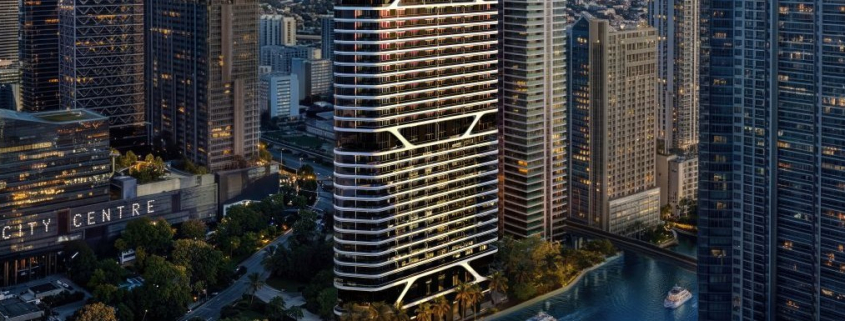
The 60-story tower will feature 183 residences, including four signature penthouses, and more than 300 feet of frontage along the Miami River.

The 60-story tower will feature 183 residences, including four signature penthouses, and more than 300 feet of frontage along the Miami River.
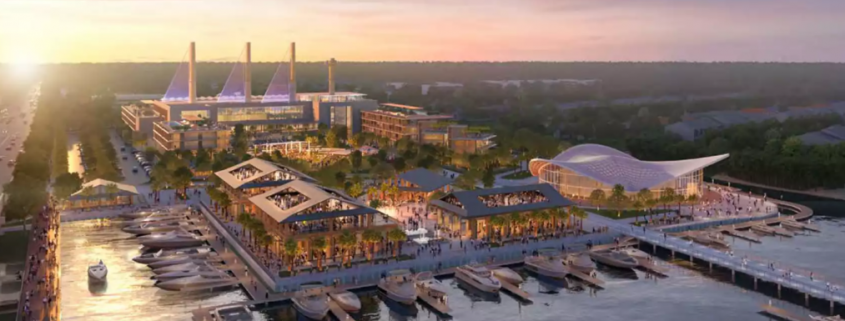
A long-planned redevelopment of one of Vero Beach’s most prominent waterfront properties is moving forward, but city officials and the selected development team still have key terms to resolve before the project can advance to its next phase.

A wave of condominium construction is reshaping one of Miami Beach’s less-developed residential districts, with several prominent firms pursuing projects ranging from flexible-use units to ultra-luxury oceanfront homes.
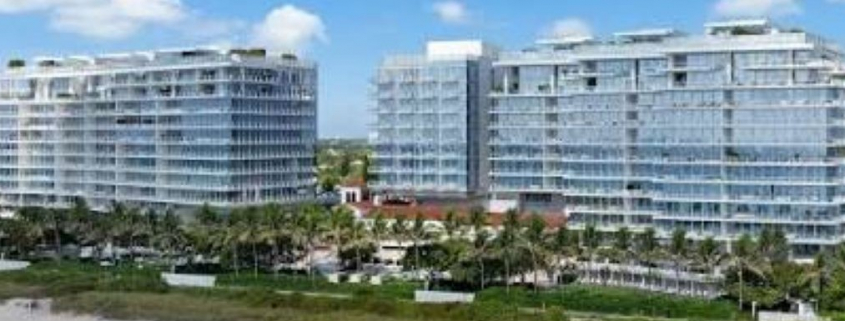
Miami Beach has issued a phased construction permit valued at $97 million for the Shore Club Private Collection, an oceanfront redevelopment at 1901 Collins Avenue.
Covering approximately 481,200 square feet, the permit was the largest among South Florida’s recently reported construction filings.
Witkoff and Monroe Capital are redeveloping the roughly three-acre property into a luxury destination combining private residences, hotel accommodations and restored historic architecture. The plans include a new 20-story oceanfront tower, the rehabilitation of the eight-story Cromwell House and a single-family beach residence surrounded by landscaped grounds.
The project’s residential collection is expected to include approximately 49 homes, while the hospitality component will operate under the Auberge Resorts Collection brand. Robert A.M. Stern Architects is leading the design, with Kobi Karp Architecture and Interior Design serving as the project’s executive architect.
Construction activity was already underway before the latest permit was issued. The development team completed the tower’s concrete foundation in November 2025 following an extensive pour involving approximately 1,100 cubic yards of concrete. The new phased permit allows the project to progress further into its construction schedule.
The redevelopment is backed by a $430 million construction loan provided by J.P. Morgan in 2023. At the time, the financing was reported as one of South Florida’s largest residential construction loans, reflecting substantial lender confidence in the project and Miami Beach’s ultra-luxury market.
Another significant permit issued during the same reporting period was connected to Related Group’s Gallery at Lummus development near downtown Miami. That approximately $74.5 million filing covers a mixed-income apartment project planned with hundreds of residences and ground-floor retail space.
Together, the permits show that major South Florida developments continue moving from planning and financing into active construction. The activity spans both ends of the housing market—from high-end oceanfront residences to mixed-income and workforce-oriented apartments—and demonstrates sustained developer interest in Miami-Dade County.
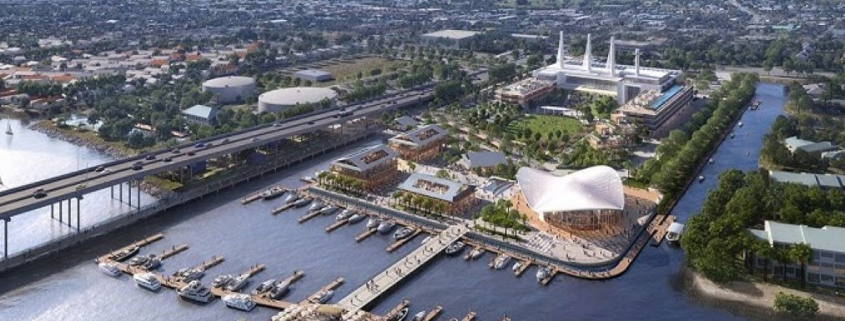
Construction progress and a new $25 million state grant are advancing Vero Beach’s One Water Campus—a project that will ultimately allow the city to retire its aging waterfront treatment plant and unlock a key piece of the Three Corners redevelopment site.

Florida’s $1.8 trillion economy is fueling continued wealth migration, and luxury brokers say Vero Beach’s barrier island is emerging as one of the state’s biggest beneficiaries thanks to tax advantages, limited inventory and a growing influx of affluent buyers.
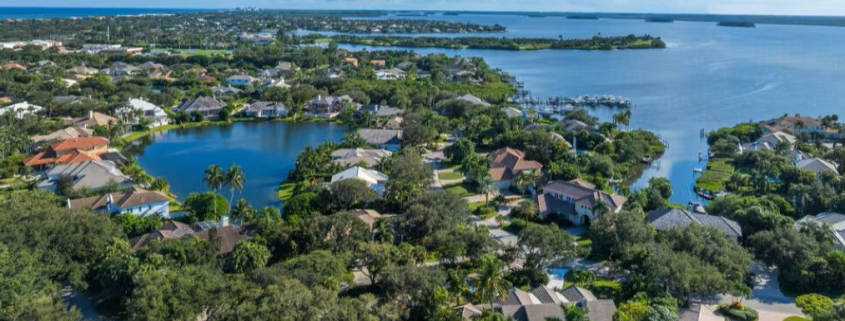
Vero Beach has been recognized as one of four Florida cities offering homebuyers a rare combination of affordability and safety. With an A-range crime grade, median home prices in the low $400,000s, and many homes selling below list price, the coastal community stands out as an attractive option amid Florida’s increasingly expensive housing market.

Billionaire Ken Griffin spent roughly $125 million to buy all 138 condo units and ground-floor retail in a 22-story Miami tower. Griffin targeted Solaris because it occupied one of the few remaining parcels he didn’t already control in Brickell and fits into his broader real estate expansion in Miami.

According to the Miami Association of Realtors, sales of single-family homes rose 10%, while existing condo sales increased 5%. Despite stronger sales activity, price trends differed between property types.

As Florida voters prepare to consider a major property tax overhaul this November, officials in Vero Beach and Indian River County are raising concerns about its local impact. The proposal would provide substantial tax relief for homesteaded homeowners but could also reduce revenue that cities and counties rely on.