
Miami-Dade Losing Residents, And Gaining A Dangerous Kind Of ‘Success’

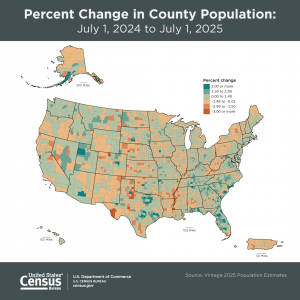
Miami-Dade County’s population declined last year, marking the third-largest numeric drop among U.S. counties in 2025, according to Census data released in late March.
Between July 2024 and July 2025, the county lost an estimated 10,115 residents, largely due to a slowdown in international migration. Federal immigration and deportation policies likely played a role in that shift.
But the population decline tells only part of the story. Another troubling trend is emerging—one tied less to immigration and more to the rising cost of living. High housing prices, low wages, and other financial pressures are driving residents away. This is happening despite the pandemic-era narrative of people flocking to South Florida.
 People are still moving into Miami-Dade, but they tend to be high earners, with an average annual income of $178,000, according to IRS data analyzed by Florida International University’s Jorge M. Pérez Metropolitan Center. Meanwhile, those leaving earn significantly less—about $89,000 on average. The data, based on 2023 tax return address changes and tracked by researcher Maria Ilcheva, highlights a growing economic divide.
The result is a concentration of wealth: higher-income individuals are moving in, while lower-wage workers are moving out, and overall population growth is beginning to stall. That’s not a healthy trajectory for long-term economic stability.
Although Miami-Dade’s population of 2.8 million is still higher than in 2020, that growth has been driven mainly by international migration and natural population increases. From 2020 to 2025, far more people moved out of the county to other parts of Florida and the U.S. than moved in. Domestic net migration during that period was negative 278,000, according to the Metropolitan Center.
The income gap between newcomers and those leaving—about $90,000—underscores a growing reality: South Florida is increasingly becoming a place only the wealthy can afford, while middle-class residents struggle to stay. This raises an important question: could the region eventually mirror places like San Francisco, where even high earners feel priced out?
Local and state leaders should take notice. While an influx of wealth brings benefits—such as increased business activity, greater consumer spending, and economic growth—it also creates challenges. Miami-Dade gained $484 million in adjusted gross income in 2023, even as residents moved away. But rising wealth should lead to broader economic opportunity, not just celebrate the arrival of affluent newcomers.
As Ilcheva warned, “Miami-Dade risks becoming a victim of its own success.”
Increased wealth drives up housing costs and strains affordability, which can harm businesses and the overall economy. The county is losing a critical segment of its workforce—young adults ages 20 to 29 without college degrees—according to FIU researcher Ned Murray. For a region heavily reliant on service and hospitality jobs, this trend is unsustainable.
A strong local economy depends on a stable workforce and a thriving middle class. Even the wealthy may find the region less appealing if inequality undermines quality of life. Leaders have long recognized these issues, but meaningful solutions remain elusive. Addressing affordability must become a sustained priority—not just rhetoric.
Source: Miami Herald
