
Tech Billionaires Flocking To This Former Bohemian Enclave In Miami
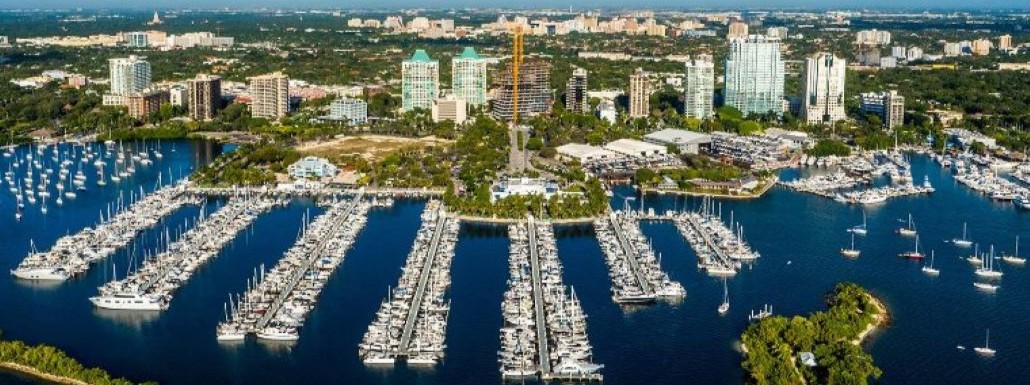
Long before Miami became a global luxury hotspot, Coconut Grove was already one of South Florida’s most established communities.
Widely regarded as Miami’s oldest neighborhood, the Grove traces its roots back to the 1870s, when early settlers were drawn to the area’s lush landscape, elevated terrain, and sweeping views of Biscayne Bay.
Its name comes from the coconut groves that once covered the area, and today the neighborhood remains one of Miami’s greenest and most picturesque enclaves. According to luxury real-estate broker Ashley Cusack, the Grove’s earliest wealthy residents settled along the bayfront ridge for both the views and the natural protection the elevated land offered from tides and hurricanes.
By the 1960s, Coconut Grove had transformed into Miami’s bohemian center. Artists, musicians, activists, and free spirits made the neighborhood the heart of the city’s hippie movement. The Grove hosted multiple “love-ins” during the Summer of Love era and became known for its creative, countercultural energy. The iconic Dinner Key Auditorium famously hosted The Doors in 1969, a concert that led to the arrest of lead singer Jim Morrison.
Today, Coconut Grove has evolved into one of Miami’s most exclusive and sought-after neighborhoods. Its location places it between the old-money estates of Coral Gables, the modern skyline of Brickell, and some of Miami’s most prestigious waterfront gated communities. Despite its extraordinary wealth, the neighborhood retains a quiet, village-like atmosphere that continues to attract affluent buyers seeking privacy and space.
Over the years, celebrities and business moguls have helped elevate the Grove’s status. Residents have included Madonna, Sylvester Stallone, and LeBron James during his years with the Miami Heat. More recently, billionaire relocations to Florida — driven partly by the state’s lack of income tax — have further transformed the area.
High-profile figures such as Jeff Bezos, Ken Griffin, and Peter Thiel have either moved to or invested heavily in Miami. In 2022, Griffin purchased a historic waterfront estate in Coconut Grove for $106 million, setting a record for the most expensive single-family home sale in Miami-Dade County history. The property included the historic Villa Serena estate and helped establish a new benchmark for ultra-luxury real estate in the neighborhood.
Unlike Miami’s flashy high-rise towers, Coconut Grove’s mansions often hide behind dense greenery, gates, and winding tree-lined streets. The appeal lies less in visible extravagance and more in privacy, wellness, and waterfront living. Luxury builder Manny Varas says today’s wealthy homeowners prioritize features such as cold plunges, oversized saunas, padel courts, private docks, and seamless indoor-outdoor entertaining spaces.
As Miami increasingly shifts from a vacation destination to a full-time home base for affluent families, Coconut Grove’s residential appeal has grown stronger. Buyers are looking for neighborhoods that combine proximity to downtown business centers with family-friendly living. The Grove’s shaded streets, outdoor lifestyle, and strong sense of community make it especially attractive to families relocating from cities like New York and Los Angeles.
Elite private schools are another major draw. Institutions such as Ransom Everglades School and Carrollton School of the Sacred Heart are among the city’s most prestigious, with competitive admissions processes and tuition costs that can total hundreds of thousands of dollars over a child’s education.
The neighborhood also offers an upscale but understated lifestyle. Grocery options emphasize fresh and specialty products, while restaurants range from neighborhood staples to Michelin-starred destinations. Ariete and Los Félix have both earned Michelin stars, while local favorites like Chug’s Diner blend casual dining with elevated flavors.
Nature and history remain central to Coconut Grove’s identity. The neighborhood is home to landmarks like Vizcaya Museum and Gardens and The Barnacle Historic State Park, both of which preserve the area’s Old Florida charm. Peacocks roaming the streets — beloved by some residents and disliked by others — add another layer of eccentricity to the Grove’s tropical atmosphere.
Boating culture is also deeply woven into the neighborhood’s lifestyle. Dinner Key Marina, the largest wet-slip marina on the East Coast, anchors the area’s waterfront identity. Yacht access, private docks, and marina space have become increasingly valuable assets as demand grows among ultrawealthy buyers.
Ultimately, Coconut Grove offers something many luxury enclaves cannot: discretion. Hidden behind lush landscaping and quiet streets, the neighborhood allows billionaires and high-profile residents to remain close to Miami’s booming financial and cultural centers while maintaining a rare sense of privacy and community. In a city known for spectacle, Coconut Grove’s greatest luxury may be its ability to let its residents disappear.
Source: msn

